Still Life – Research

More research can be found in the individual tasks.

79ideas_the_dark_apartment_details.png

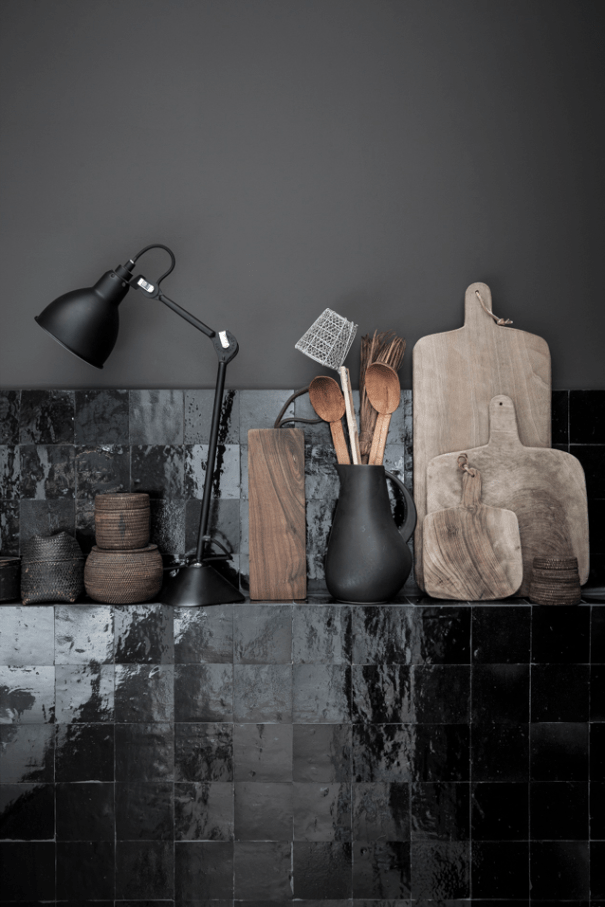
Romain Ricard – The Black Apartment

This image is predominantly dark but there is detail all throughout the image. The glossy tiles are interesting and add depth to the image. The wooden utensils add a nice texture and warmth to an otherwise cool toned colour palette. It’s a good use of portrait orientation, I have seen both landscape and portrait versions of this and prefer this with the rule of thirds and negative space.

images

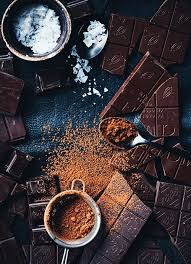
Linda Lomelino

I like everythng about this picture. Mixture of chocolate brands used even adds to the picture by not looking too samey. The cloth underneath is textured and cool blue in contrast to the warm brown tones. It looks a mess but has obviously all been placed very carefully to create that look. The spoons and sieve etc are well placed and create an aesthetically pleasing compsition.

22

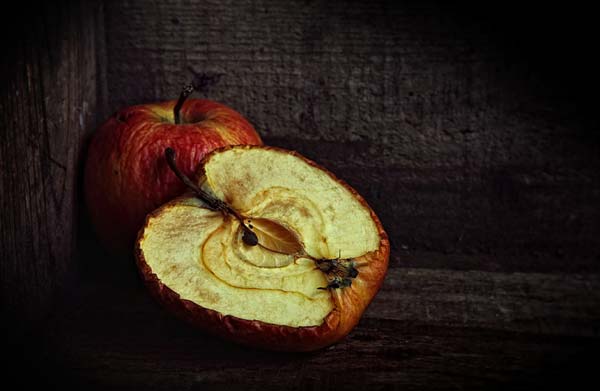
Michel Feugeas

It’s just an apple in a box but it’s a stong image. The apples are decaying and give an old feel. The lighting is good, the light coming in in a spotlight style, giving a vignette. It is almost like the apples are hostages in a room with a tiny ray of daylight coming in. Great textures and tones. The positioning of the apples in the corner of the box gives leading lines, rule of thirds, framing and some negative space.

Architecture – Evaluation

Edinburgh College

HN1 Photography

Unit Evaluation 

Summative Assessment

Name: Jill Barnett

Class Group: B

Unit: Architecture


Introduction

The briefs were as follows;

Interior Architectural Image

The Interior I chose was Kilberry Bagpipe makers. I was using this for my Corporate and thought it would also be ideal for the interior image, I like the contrast in the warm toned flooring and the cool tones outside the window. The challenge there is it is narrow and not deep but has very high ceilings and I wanted to capture the writing at the top of the windows. It is also a mixture of lighting – natural daylight, tungsten lamps and fluorescent strip lights further back. I think it is an interesting image with plenty to look at and it’s a well used workshop with very old tools and machinery so I think it works. The whole place was interesting to shoot.

Interior Architectural Image forming part of a set of four images with a Still Life image and two Portraits. Commissioned by a magazine.

This was shot in the Commercial Pub in Larbert. It was shot with window light, tungsten light and fill flash to light up the stools around the right hand side of the bar. The room itself is really small and I was in the wee entrance hall to take the photos and I took them as wide as I could without getting the doorway and things in the shot. I like the image as I think the Pub looks good in it. The owners are family and I know they were pleased with it too.

Architectural Exterior

A long exposure here of the SECC. I took it as the sun was going down. I bracketed and took around five shots to get the river light enough and not burn out the highlights on the building. I think I probably could have lightened it further.

Architectural Exterior to be integrated with Portraiture, informed by a fashion brand of your choice

This was inspired by Burberry. I have always loved Burberry as a classic British brand. I shot a building just of George Square in Glasgow. I hadn’t planned that but as soon as I seen the big gates and the interesting details behind and surrounding them I was drawn to it. The colours in the shot really lend themselves to a Burberry advertisement.

Creative Interpretation of an Architectural Exterior

This was taken at Rosslynlee Asylum in Roslin. I thought the building was different as it was almost like a long hut but when you went inside it feels like it goes on forever. This shot I like because it is a funny shaped building and you can see where it has a couple of turns. I like the specific angle I shot it at with leading lines, the creepy windows and it’s still quite light and soft tones, a lot of mid tones which is unusual as mines usually have more on the dark side.

Positive Aspects

I like Architecture, especially if it has something quirky, maybe a lot of shiny details or a cool reflection in the windows. Or something like a random open door when everything else is uniformed. Thats what works in the last photograph, the open windows pulling you in, intriguing, and it’s what I like about Kilberry too. The rough, take it as you find it nature of a workshop. A lot of dirt and signs of hard graft make it more interesting. These are my two favourite images.

Areas for Improvement

I over processed the Clyde Armadillo looking back on it. I have a tendency to go a bit dark on my images I think (hope) I am getting better as I am really trying to get away from that. I know myself but still seem to do it.

Evaluation of Learning

I spent a while on the Armadillo walking up and down the river to get the best angle. I think I filled the frame a little much I could have left a bit breathing space at the edges. That and the over processing as mentioned above are points to keep in mind for future. I also learned to plan for extra time should things go wrong etc. In the pub I went way before opening in the morning thinking I had more than enough time to shoot however I was still working as it was opening, mainly due to the lighting kit taking time to set up in various places.

Still Life – Evaluation

Edinburgh College

HN1 Photography

Unit Evaluation 

Summative Assessment

Name: Jill Barnett

Class Group: B

Unit: Still Life

Introduction

There was a total of four briefs for this image;

  • Shoot an image for a Sunday supplement illustrating a recipe

I chose to do a Roast dinner; it was Autumn and I wanted something home made looking and giving a warm cosy feel. I bought all the ingredients and half cooked most of it, so it was looking its best. The chicken was raw, and I painted it with dark oak wood stain as I read that was a good way of preparing chicken for photographs. I shot it in a roasting tin using a tripod and studio lighting, shooting from above. I used hessian as a background. I had underestimated the amount of veg the tin would hold so I filled one half of the tray full of veg and the other side was empty, I got my shots and then kept the settings the same but moved the veg from one side to the other and shot again. This gave a full look to the food, it looked much better. 

  • Shoot a front and back cover for an annual report for a Glassware company

For this task I photographed a bottle from above and straight on and used masking to duplicate them several times each and arrange them in an interesting way and coloured them green. I wanted to do something a bit different and work on my Photoshop skills for this. There was a bit of a bend in the glass, so I duplicated half the bottle, flipped it vertically and matched it so the bottle was exactly symmetrical.

  • Produce a Flemish Still Life image

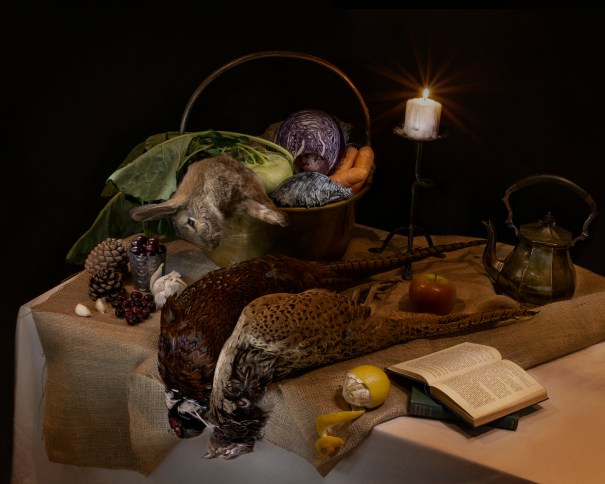
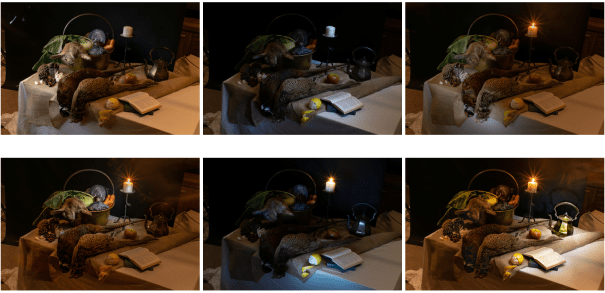
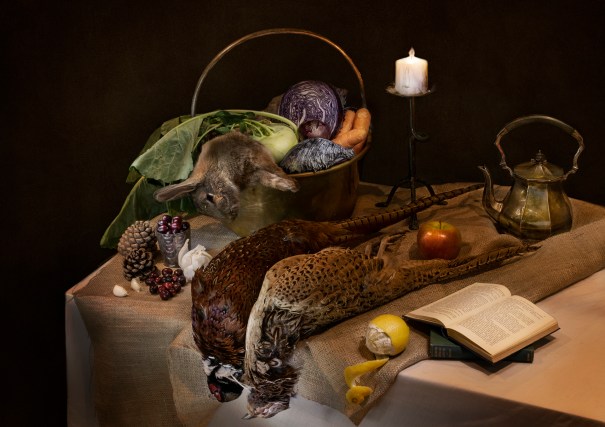
I bought a dead rabbit and pheasant from the butcher’s shop. I researched Flemish Still Life quite a bit and read all the meanings of different foods, books, candles etc being in the shot and bought what I wanted in it. I arranged the dead animals on the table first on hessian, folded as informed by the Flemish techniques. I arranged everything else around them as that was the easiest way (They took up a lot of room. I used my black backdrop for the background and used an LED torch and a long exposure to do light painting for the photos. I used 5 or 6 different images concentrating on different areas and masked the layers in to make one whole properly lit image.

  • Freestyle Image to tie in with Architecture and Portraits 

This shoot was in my brother-in-law’s pub. I took an Architecture shot, two portraits of pints being poured etc so thought a good idea was to set the Pint of Tennents up on the pool table with the light coming nicely through the glass and the pool balls, chalk etc to set the scene. I used Bowens lights from the studio which I took to Larbert with me for the shoot. I really liked the Tennents shot. It looked refreshing and also got a ‘like’ from Tennents on Instagram!

Positive Aspects

I was surprised at how much I enjoyed this unit, I enjoyed the careful nature of it, everything being very precise and taking time to get everything perfect. I found there was a lot of work went into it, especially the Flemish and the Recipe. The Flemish one cost quite a bit of money, even though I scoured the charity shops for most of the items in it. The rabbit and pheasant were about the cheapest things there! I didn’t mind and thought it was totally worth it for the shot although handling the animals felt a bit grim. Light painting was fun. It’s good that you can control exactly how much light goes on to certain areas so there is no over-exposure on highlights etc. I really liked the Flemish one and the Tennents. I think the colour palettes were good and the pint looked good in it. Thankfully I was getting them topped up for free!

Areas for Improvement

I would say out of all the images my least favourite was the Glassware one. I just wasn’t inspired, and I think it probably shows, I put all my effort into the other ones. I took several shots and had a good idea of what I wanted to do, and at first I was happy with it but the more I see it the less I like it. I think possibly if I took the opacity of the colour hue layer down so it wasn’t as heavy, I would prefer it. I think I looked at it too long when processing it and kept tweaking what didn’t need tweaked so by the end I just wanted it done with. In future I will take more of a step back, I can get quite caught up in processing then overdo it. I need to take a rest and go back to it, not just keep doing more and more.

Evaluation of Learning

It was worth all the researching the Dutch Masters and Flemish style and techniques. I learned a lot from that and found it interesting. It means I know about what’s in my image and what each item represents. I spent so much time on this unit and feel it has helped me improve my skills not only in Still Life but in general. It required thought, decision making, planning, creativity, patience and so much attention to detail. The post-production was varied, some pictures were layered together, some needed hardly and processing ie. the Lager and others like the Recipe and Glassware needed a lot done so those skills have also improved too.

Architecture Research


Related image

  • Julius Shulman, 1958
  • Bailey House
  • Architect is Pierre Koenig
  • Style is fine art
  • Images shown in galleries and museums all over the world
  • 5×4 crop
  • Silver gelatine print
  • His work, all modernist, much of it based in LA has a geometric look to it. Partly because of the architecture itself of course but using black and white film to shoot adds to the geometry due to removing distracting colours and making it all about the shapes. He uses leading lines and rule of thirds a lot


Related image

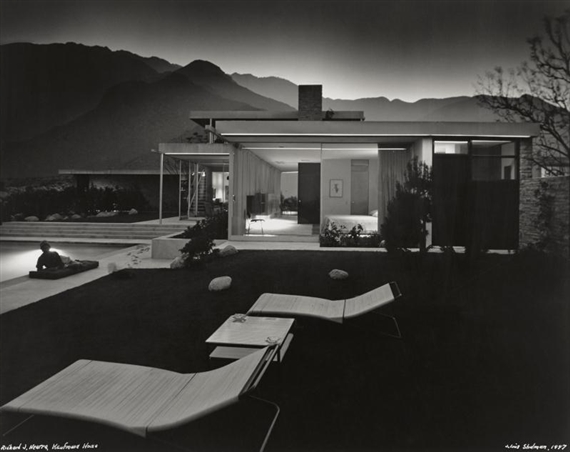
  • Julius Shulman, 1947
  • Kauffman House
  • Architect Richard Neutra
  • 5×4 crop
  • Silver gelatine print
  • Story behind this is the photographer, Schulman was photographing interiors at this house for the Architect. He seen outside was lit beautifully highlighting the hills etc. The architect told him he wasn’t allowed to go out and photograph it but he packed his kit up and went outside and did it anyway. He put it on a long exposure and ran in the house and put different lights on for different times etc. Right at the end he asked the architects wife to lie down on the lounger by the pool. Then he got dragged back in! To this day it is one of his most renowned photographs. Shulman has lots of good stories about his photographs which I think makes his work even better to look at – when there is a story about it
  • I wanted to compare two of his images, I think these two are quite different. For me the Bailey house is my favourite. I love the bright tones, high contrast and clean lines although I think this image was done really well too and it’s amazing that it was unplanned and came out a piece of famous art. In the first image we are right in the house focusing on the angles, the second I feel was less focused on the building and more used it just as a part of an image


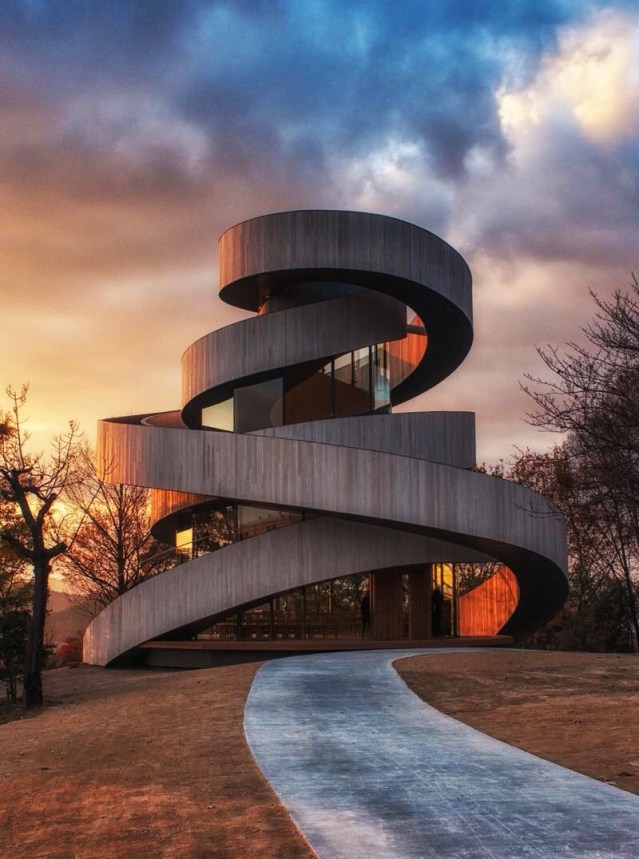
Eugene Wei

  • Eugene Wei
  • Ribbon Chapel
  • This is an interesting subject and I’ve seen many good photos of it, I chose this one because of the lighting and sky
  • I assume it was taken at dusk and the setting sun casts a beautiful light on the inside of the ribbon
  • The subject is in the centre and takes up most of the frame and the path leads your eye straight to the architecture


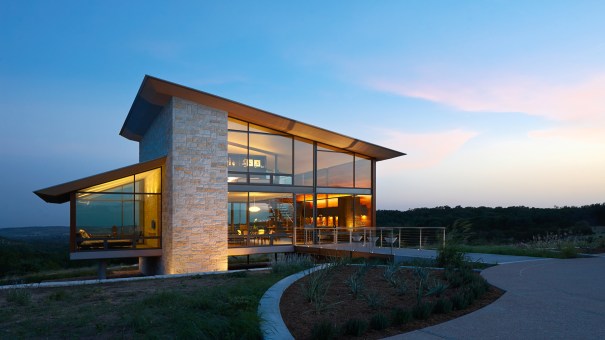
gewinner-residence_-7416

  • Gewinner Residence
  • Architecture Magazine
  • Cool, Geometric building
  • Use of Rule of thirds and Negative Space
  • I like how the sky is light at one side and dramatic at the other where the large sharp edges are
  • I like the contrast of the warm lights inside against the cool tones outside.


Mike Kelley

  • Mike Kelley
  • Strobing
  • I watched the process of this image being made. Mike Kelley uses two speedlights to light the entire subject in stages and then layers the images in Photoshop. I thought it was quite an interesting thing to do. I have done this before but not with architecture!


Screen Shot 2019-03-27 at 21.14.14.png

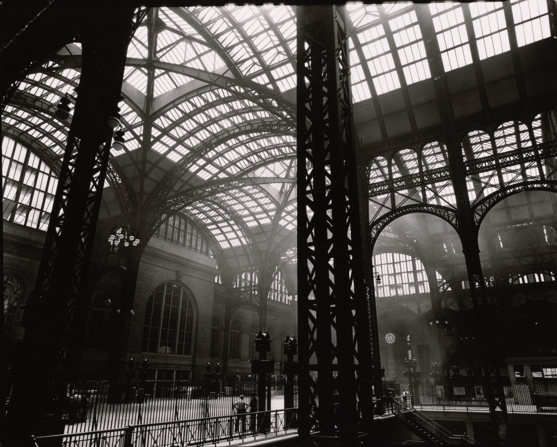
  • Berenice Abbott, 1936
  • Penn Station
  • 5×4
  • Silver gelatin print
  • Reading about Abbott’s work there was something said about how although her subjects were of stone etc, they had the emotion of a portrait, and talking about how she could even shoot girders in a pictorial style. This is what I like about her stuff. It is set in New York, a city which just oozes character, and her photographs reflect this. I love the light coming in through the many small panes of glass, the smoke lit up in the concourse behind the sharp dark structures at the front of the image.


Image result for Richard Nickel

  • Richard Nickel
  • Around 1960
  • Natural light
  • Taught photography by Aaron Siskind who gave him and his fellow classmates and assignment (one day in the 50’s) to go out in Chicago and photograph buildings by architect Louis Sullivan. Nickel had had no interest in architecture before then but found himself captivated by Sullivan’s work. He then spent the rest of his life photographing these buildings and campaigning against their closures. He eventually died trying to salvage architecture from one of these demolished buildings after it collapsed on him in 1973.
  • I would think this would be in the category ‘creative interpretation’ of architecture
  • The several layers of different styles attracted me to this image. Bright lights and fanciness at street level, then up to the romanesque arches with the intricate carvings then up again to a level which looks split in half. I find it exciting to look at
  • The image works well with the people in it. I don’t think it would’ve been quite as perfect to me without the people giving scale and life to the photo
  • It really suits being black and white. Everything stands out without any clashing colours which may have made it too much

Moving Image Research

Task 1

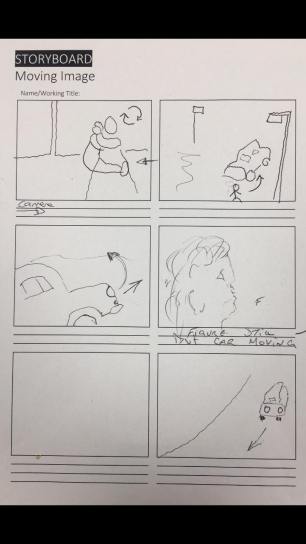
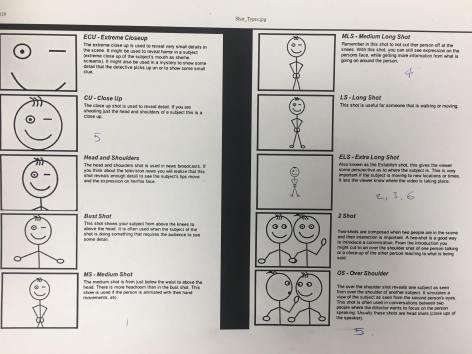
52708556_359117064680571_1188233179526332416_n52634009_547934689051212_1033708008632221696_n

Task 2

One of my favourite adverts, it was made for John Lewis in Autumn 2012. It is a split screen set up with the left side being a woman on a date in the 1920s and they man on the right on a date in the present day. They never physically meet, though they are in the same street, cinema, nightclub etc, the idea being  ‘while many aspects of our lives today are different to how they were almost 100 years ago, the really important things haven’t changed at all’ I like the romance, nostalgia and wistfulness of it. I also like the colour grading, the situations and the props etc they use to convey two time periods almost 100 years apart. The camera is mainly centred due to the split screen although does sometimes come in from the sides when the characters are on their own ie it pans in to their jobs from the sides. Everything is mirrored so it pans symmetrically. There is a mixture of wide shots, mid shots, close-ups etc. The soundtrack is Never Tear Us Apart by Paloma Faith (originally by INXS) which is dubbed over the entire advert. It’s typically John Lewis, big budget (£7 million) captures your attention and leaves you with a nice feeling. Good marketing from them as usual.

This is a wedding video by a friend’s brother. He has won quite a few awards and I really like his stuff. He was self taught, following videos on Youtube etc. This is a gorgeous video, the colours are beautiful, it is dreamy, possibly a bit instagram filter-y but I think that’s a wedding thing. The soundtrack really sets this off for me, starting with the radio on with the date in the morning, followed by the speeches and finishing with a gentle song, it is engaging but doesn’t dominate the video. There is a lot of attention to detail here, and a mixture of techniques and shot lengths.

This is a fun one to watch, a race through Edinburgh, Bikers vs Parkour, from Norrie the Piper at Castlehill they make their way through the city, ending up at Arthurs Seat. The colour is good, it is bright, clean, just making Edinburgh look less grey and more inviting, with better weather! The camera is moving all the time following the guys. It’s mostly wide shots and extra wide although there are mid shots throughout also. I think the music was original and piped with a synthesizer used. A good advert for Edinburgh.

Task 3

Markets for Photographers using DSLR Video

  • Weddings are a huge market and if clients can book one company to do the photos and video instead of two they will, and if you are able to provide both you have a better chance of being hired.
  • Video is a great medium for advertising, not only the adverts you see on tv but also for use on websites, Youtube etc. A good way to promote your business, being that Youtube is one of the largest platforms in the world. Video content is a great way to catch attention, specifically with the Millennial markets who will click on a video and you have time to capture their attention and get across what you want to say.
  • In the music and entertainment business, documentary style videography is popular, giving an insight into the behind the scenes action of your favourite singer or band.
  • Estate agencies increasingly use videos, alongside photos to market properties for sale. There are many properties go on the market each day so it’s a good opportunity for a photographer who can do both.

These are a few of the markets where Photographers would benefit from being able to do video as well. If you can’t use the video functions on your camera and shoot and produce a half decent moving image you may well be at a disadvantage in the very competitive Photography industry.

Flemish

Brief

OC 2 Task 3: Classic Still Life

You have been commissioned to produce one image using studio lighting as a test
shot for an advertising agency handling a major account. They are looking for a photographer to produce a ‘classic’ still life image for the cover of a high quality, complimentary customer magazine.
The Agency requires ‘a classic still life image’ in the style of the ‘Flemish Still Life Artists’
to introduce a new campaign and your lighting, choice of props and foreground and
background must convey this.
● No hands, or human forms – strictly inanimate still life.
● One or more reflective object(s) must be used as part of the still life.
● Plan a studio shoot with notes and sketches in your Blog.
● Consider the possibilities and limitations of the studio, viewpoint, focus, quality
of light.
Submission – One A3 colour print required with white border. Portrait or Landscape.


Research & Ideas

Symbolism in Still Life

  • Artichokes, asparagus and berries represent the fruits of Paradise or Heaven
  • Lemons were an expensive food item, the bitterness represents the deceptive allure or attraction of earthly beauty
  • Flowers have different meanings.  They represent innocence, seasons, or religious symbols
  • The apple:  Another big one in that there are many meanings.  It can signify love, knowledge, wisdom, joy, and death.  In religious works it usually means temptation, and original sin.  The apple is also associated with a woman’s anatomy, breasts in particular, and then the core of the halved apple representing her sexuality or reproductive parts.
  • The peach symbolises truth and salvation, and can be used instead of an apple
  • Feathers symbolise of hope, faith, and charity,  freedom (by enabling flight) and the heavens.
  • Skulls or bones symbolise mortality, inner contemplation, and eternity.
  • Books are for knowledge and like lemons were expensive and showed wealth
  • Candles can stand for time, and faith. When blown out it means death or loss of virginity. It can symbolise light in the darkness of a lonely individual, or the light of Christ, purification or cleansing.
  • Clocks & hourglasses represent time
  • Birds represent rebirth
  • Eggs represent the circle of life

Other features of Flemish style Still Life

  • Memento Mori (Remember you must die) – paintings which remind the viewer of their mortality
  • Vanitas – shows the worthlessness of worldly pleasures
  • The colours are generally muted and can be quite dark, a lot of brown is used
  • Items arranged at various heights
  • Folded material like a tablecloth or curtain are often used
  • Other items used include goblets, glass, wine, pipes, shells, game etc

Research

Image result for willem claesz

Willem Claesz. Heda, Still Life with a Gilt Cup, 1635

I quite like things neat and in order, and it wouldn’t come naturally to me to lay things on their side, have different kinds of metal together and have tablecloths scrunched up. However I have been researching it and discovering that there is symbolism behind some of these things which now means the Flemish style makes more sense to me. The other thing is I was concentrating on what might go together i.e. If I used fish in the photo, what would go with it in a dish – but that’s not how this works, its all about what it looks like and what it represents. Heda is known for his very realistic paintings, this looks like a photograph! The thing I like about this picture and the Flemish style is the way the scene is built up. Nothing is flat, there is something to look at on all levels. I like the tones used.

Image result for still life candle

Willem Van Aelst, Still Life with Mouse and Candle

This is less realistic but what I like is it is clear in what it represents with the decaying fruit and the extinguished candle. The lighting in the painting is beautiful, it really directs the eye to the fruit and the mouse is just discreetly sneaking in the side not drawing too much attention. Nice composition your eye goes from the fruit to the candle to the mouse, I like images where the eye has to move to take in the picture properly.


The Shoot

Speaking of shooting, I decided to get pheasants from the Butcher for this. Went I went in there was a rabbit in the window (stuffed) I enquired and she brought me through different pheasants, rabbits and a hare to choose what I wanted. I hated doing it but I really wanted to push myself out of my comfort zone and get a good traditional Flemish shot. The difference between this and my last still life is astounding, I feel embarrassed by the last one, which I think is a good thing.

Items

  • Rabbit, pair of Pheasants – George Bower Butcher, Stockbridge
  • Vegetables (Kohl Rabi, Purple Cabbage, Onion, Garlic, Cranberries, Lemon, Apple_ – Grocers & Sainsburys
  • Books, teapot, candlestick – charity shops
  • Brass bucket and pinecones – from my mum’s house
  • Hessian – Amazon (I’d like to collect a few materials for backgrounds and Still Lifes)

Set-up

I composed bit at a time, I put the table diagonally so I could get everything in and didn’t want it straight on. I knew I wanted it to peak up to the handle of the basket and drop down at the edges. I put a sheet on a board to make the table, carefully folded the hessian, although I didn’t press that as I wanted it rustic and not too perfect. The rabbit is in the pot a bit like a stew, it wasn’t that easy to move as it’s spine was still in tact. My husband offered to break it but this was a step too far for me and I didn’t want it to be too floppy either. The pheasants were limp which was good as most pics you see them in their heads are dangling over the side of the table. I wanted to stick with doing this and think it shows off their plumage. This was the same with the lemon on the edge hanging off.  There is a book underneath the apple and candle stick so they didn’t disappear, the book being Langford’s Basic Photography!

I used a 30 second exposure, f/22, ISO 100. I used an LED torch to paint the light into the scene. I did it section by section. I really enjoyed it, it may be my favourite shot so far.

I am really pleased with it, I honestly didn’t know I could pull this kind of photo off! If I were to change anything it would be 1. the camera angle, I should have looked properly in the light with the grid as I had the lights off to light paint the scene 2. I moved the table slightly round and in doing so captured more of the bottom right corner than I had set up. All I needed to do is move the books an inch or so the the right. However making wee mistakes helps me learn as I know what to change next time.


Post-Production

I comped photos together to show the lit areas in each, this was easy I’ve done it before using masks. There was a lot of dodging and burning. I put a sepia gradient in. I had to change the background I replaced the rabbit’s eye because it was glazed and sticky and think it made it look out of focus.


Attempts
Screen Shot 2018-11-08 at 20.03.10.png

Final Image

Take 1!

Flemish Still Life web.jpg

Went over it with Ronnie in class who pointed a few things out so I changed them (below) The candle and teapot are straighter, the background lighter although for some reason it is difficult to tell here. More details brought out. I will do a print test as I feel I might need to go .5 – 1 stop lighter. I don’t know what paper to use. I am thinking lustre as I don’t know if it would be too much on gloss and too dark on matte. Although really in the sleeves it doesn’t make so much of a difference. I also changed it to the correct ratio.

Take 2
Still2ndeditdoneweb.jpg


Recipe

Brief

OC 2 Task 1: Recipe

You have been commissioned to make an image for a quality Sunday newspaper
colour magazine. Choose a recipe you can illustrate by arranging the key ingredients in a single image. The style, mood and composition of the shot is your choice
Using studio lighting and a DSLR. Vertical (portrait format), Full Page A4.
This can be shot digital or analogue on any format, but must be shot in the studio.
● Plan a studio shoot with notes and sketches in your Blog.
● Consider the possibilities and limitations of the studio, viewpoint, focus, quality of
light.
● No hands, or human forms – strictly inanimate still life.
● You do not need to show the completed meal.

Submission – One Portrait Format A3 colour print with white borders.


Research & Ideas

I want to do something festive for this I had thought maybe something Black forest inspired with cherries etc but I’d like to have warm tones primarily I think. I looked at Pinterest, Still Life Photographers, Recipe books but the Xmas section of the BBC Good Food mag/website was a winner for what I was looking for. I like the earthiness and textures of the mincemeat, pastry, flour. I plan to do the shoot at home on my worktop but have also bought hessian fabric to use for my still life shoots so that’s also an option.

Almond-topped mince pies

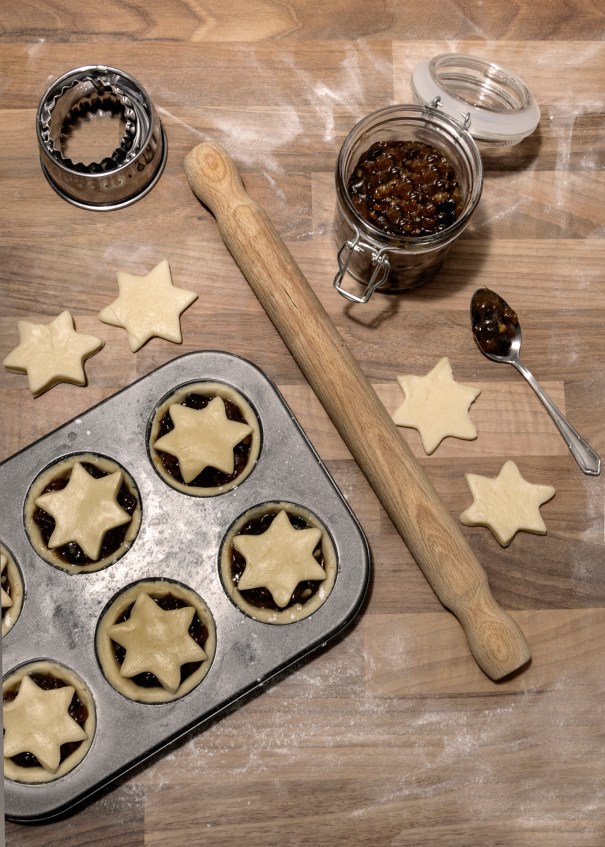
The warm tones in the pies and wood worktop are nice and the flour is bright which contrasts nicely with the baking tray and dark shadow around it’s edge. The food looks good, it’s comfort food and gives you a nice cosy feeling looking at it. It’s a flat lay and the lighting is coming in from the right.

Mince pies on a tray

There is a lot to look at without being overpowering, it’s much lighter than the first photo which I’m not as keen on but I do like the composition. The focal points zig zag in my opinion (top left star, to the pie then the jar then spoon). The light appears to be from the top left but maybe with a reflector at the bottom. I am not completely sure because the shadow under the spoon doesn’t match.

Image result for mince pie recipe

This is going to sound odd… I liked this at first, and now I’ve looked at it a few times on this and tried to pick out what I like about it I’ve decided I actually not fond of it at all. To me something doesn’t sit right with the depth of field, like it’s not natural looking but I could be completely wrong but I remember discussing the DOF ratio in class and reckon this may be done in post-production? Also the mincemeat in the pies doesn’t look all that appealing in this compared to other pics. The light is coming in from the top left.

Images above: BBC Good Food


Final Image

Recipe Still Life web.jpg

Glassware

Brief

OC 2 Task 2: Glassware

A Design Agency has commissioned you to shoot a front and back cover for an annual
report. Their client supplies and manufactures glass bottles of all kinds and colours to
the drinks industry. The shots are required to demonstrate their diverse product range –
no branding can be shown.
The two different shots will be cropped 1:1 (square format).
● The shots must be creative, original and have a strong visual impact.
● The front and back cover images must be different
● No hands, or human forms – strictly inanimate still life.
● Plan a studio shoot with notes and sketches in your Workbook/Blog
● Consider the possibilities and limitations of the studio, viewpoint, focus, quality
of light, choice of lens/lenses, camera format.

Submission – One A3 colour print with both images cropped square using the template supplied on Moodle (Bottles2Template).


Research & Ideas

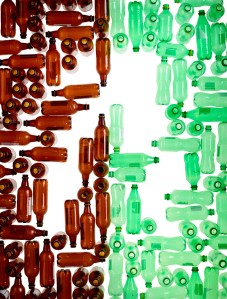
GreenBrownBottles_WHITEUSE

download

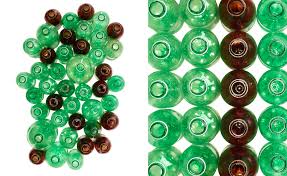
marencaruso

The above images are by Still Life Photographer Maren Caruso who has shot for the likes of Gap, Macy’s, Levi and magazines including Maxim, Food and Travel, Bon Appetit. I like his work which is carefully considered, colourful and clean. In the brief we have, we are to shoot two images for the front and back cover and I think doing something along these lines would work well, same bottles, colours, theme but one is uniform and one more artistic. I like it and could use different colours and shapes. Possibly use the bottles to make up the shape of a bottle in one of them?